Most people planning around the Great Migration think in terms of the Mara River crossings — but the calving season on the short-grass plains around Ndutu, roughly January to March, is arguably the more remarkable event, and it draws far fewer visitors than the crossings do in July and August.
The plains south of the Serengeti, straddling the Ngorongoro Conservation Area boundary, sit on volcanic ash soil that produces mineral-rich grass unavailable elsewhere in the ecosystem. The herds gather here specifically to give birth on it, and the scale is genuinely hard to picture until you see it: roughly 500,000 wildebeest calves born within a few weeks, sometimes 8,000 in a single day, almost all of them able to stand and run within minutes of birth.
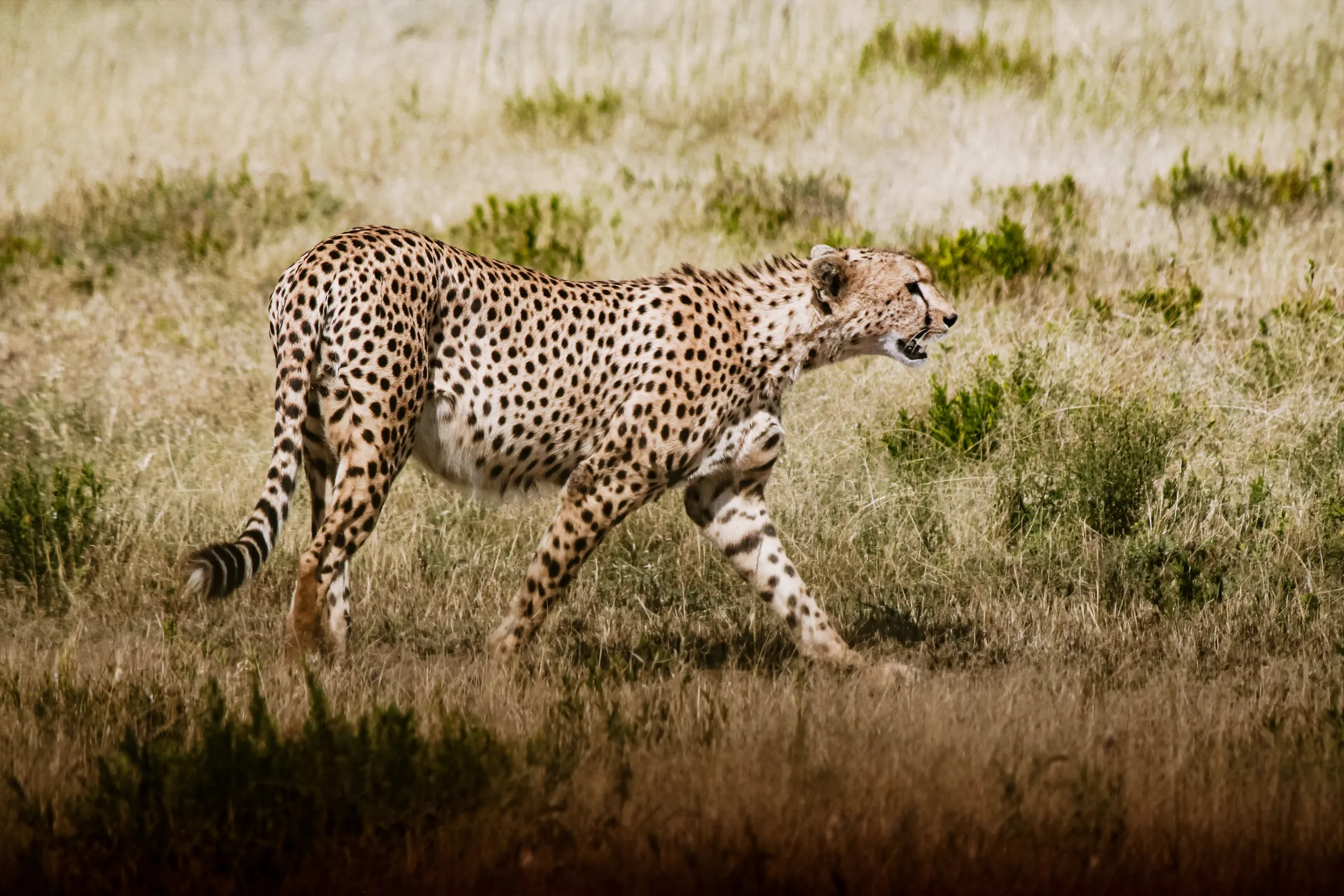
That concentration of newborns draws an equally concentrated gathering of predators. Cheetah in particular do well here — the flat, open plains suit their hunting style far better than the riverine bush elsewhere on the circuit, and Ndutu is one of the more reliable places on the whole circuit to watch a real hunt play out at a distance, rather than glimpse the aftermath.
Because this is a seasonal specialty rather than a year-round destination, most of the camps around Ndutu are mobile and only operate through the calving window — several pack up entirely once the herds move on toward the western corridor from around April. That means accommodation books out well ahead of the season, more so than most of the northern circuit.
The trade-off for the density of action is unpredictability of a different kind than the river crossings: calving timing shifts a little year to year with the rains, and camps are more basic on average than the permanent lodges further north, precisely because they exist only for a few months a year. For travellers who want predator action over scenery, or who have already done a dry-season safari and want a genuinely different month, we time trips here specifically for the window — it isn't an add-on you can bolt onto a July itinerary.
Tell us your dates and interests and a specialist in our Arusha office will send back a real, priced trip — not a brochure.
Request a proposal