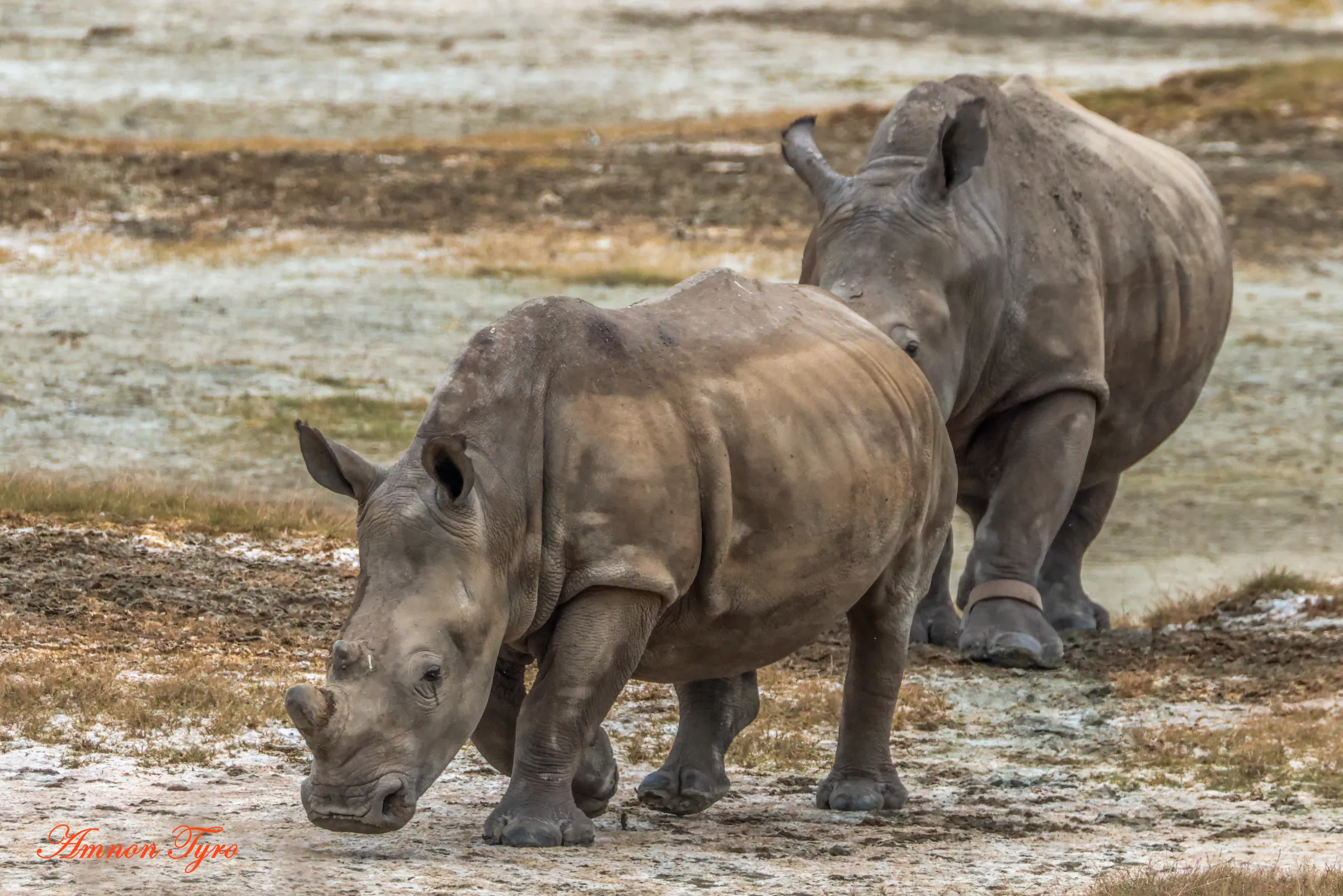
Ngorongoro Crater is one of the few places left in Tanzania with a resident, viewable black rhino population, and it's routinely sold as a near-guaranteed Big Five sighting. It's worth being straight about what that actually means before you go.
The crater's black rhino population is small — current counts put it at roughly the mid-30s to low 40s, a fraction of what the ecosystem held before the poaching crisis of the 1970s and 80s. They're wide-ranging, mostly solitary, and spend much of the day in longer grass or scrub away from the vehicle tracks, which is exactly why they're harder to find than lion or elephant despite the crater's small size.
That said, the odds are genuinely good relative to almost anywhere else in East Africa. A full day on the crater floor, particularly one that isn't rushed, gives your guide real time to work the areas rhino are known to favour and to radio other guides the moment one is spotted — sighting information travels fast among crater guides, who all know each other and share information constantly.
What we won't do is promise a sighting. We've had full-day crater visits with no rhino at all, and we've had them appear within the first hour. If seeing one specifically matters to you more than anything else on the trip, say so when you book — we'll route the day around known recent sighting areas rather than a standard circuit, which measurably improves the odds even though it can't guarantee them.
If a guaranteed rhino sighting matters more than an honest wildlife experience, a rhino sanctuary is a different (and less interesting) product than a day in the Ngorongoro Crater. What the crater offers instead is a real, wild population living exactly as it always has — which is precisely why nobody, including us, can promise you'll see it on a given day.
Tell us your dates and interests and a specialist in our Arusha office will send back a real, priced trip — not a brochure.
Request a proposal