
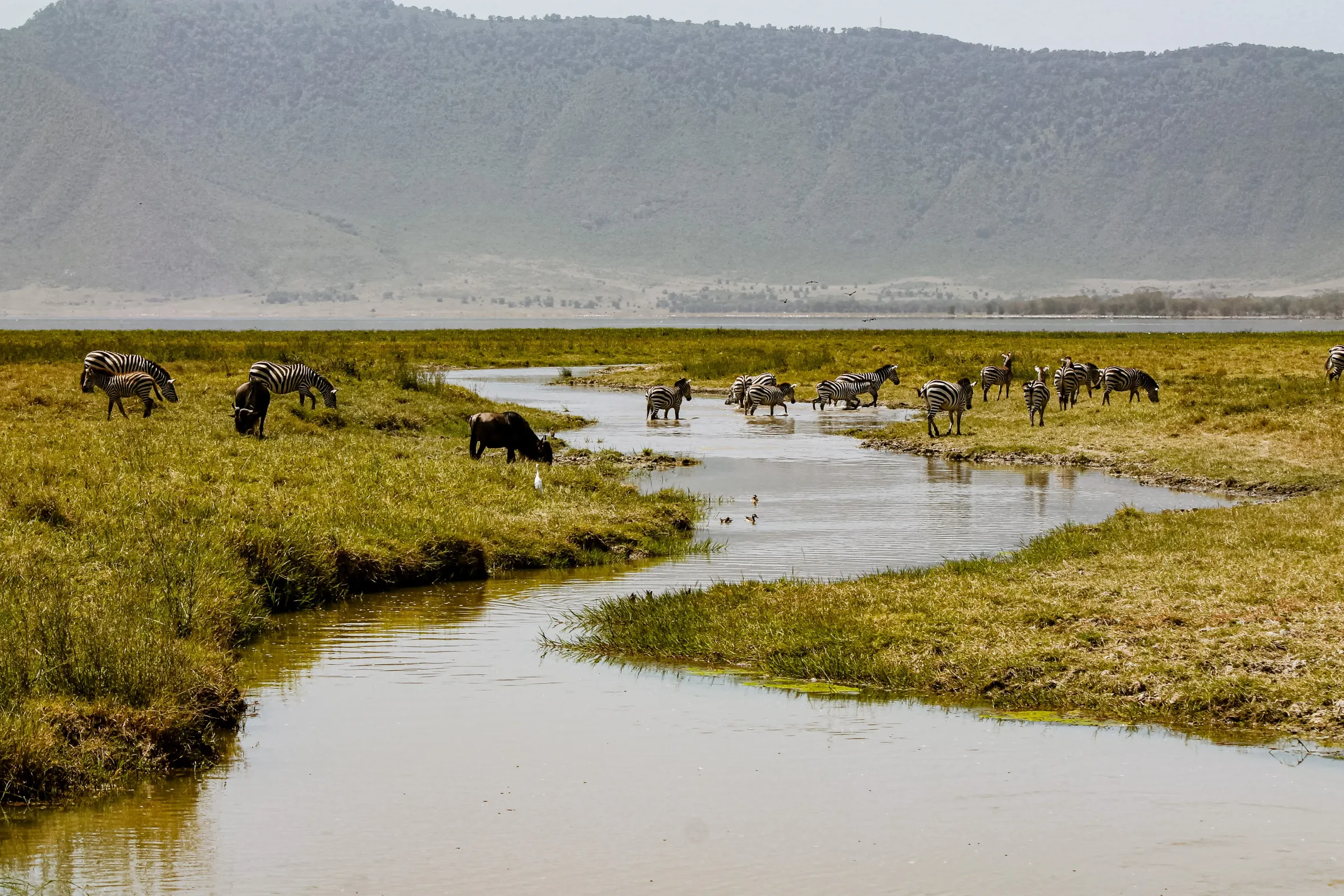
Ngorongoro is often called a national park, but it isn't one — it's a Conservation Area, a multiple-use World Heritage Site where wildlife conservation and the Maasai communities who have grazed cattle here for generations coexist under a different set of rules to Tanzania's national parks. That distinction matters for what you'll actually see: alongside lion, elephant and rhino on the crater floor, you'll pass Maasai bomas and grazing herds on the rim, something you won't find inside a park boundary.
The crater floor itself holds an estimated 25,000 large animals in a permanent, largely self-contained ecosystem — a natural enclosure formed when a volcano larger than Kilimanjaro collapsed on itself around two to three million years ago. Because animals rarely leave the crater, sightings are dense and reliable in a way few other places in Africa can match.
- —One of the best single-day chances in Africa of seeing all of the Big Five, including black rhino
- —A permanent, largely non-migratory wildlife population — reliable regardless of season
- —Genuinely dramatic scenery: a 2,000-foot descent onto the crater floor, framed by the caldera walls
- —A rare chance to see Maasai pastoralist life on the rim alongside protected wildlife below
Wildlife & landscape
- —Black rhino — a small but real population, one of the more dependable places in Tanzania to see one
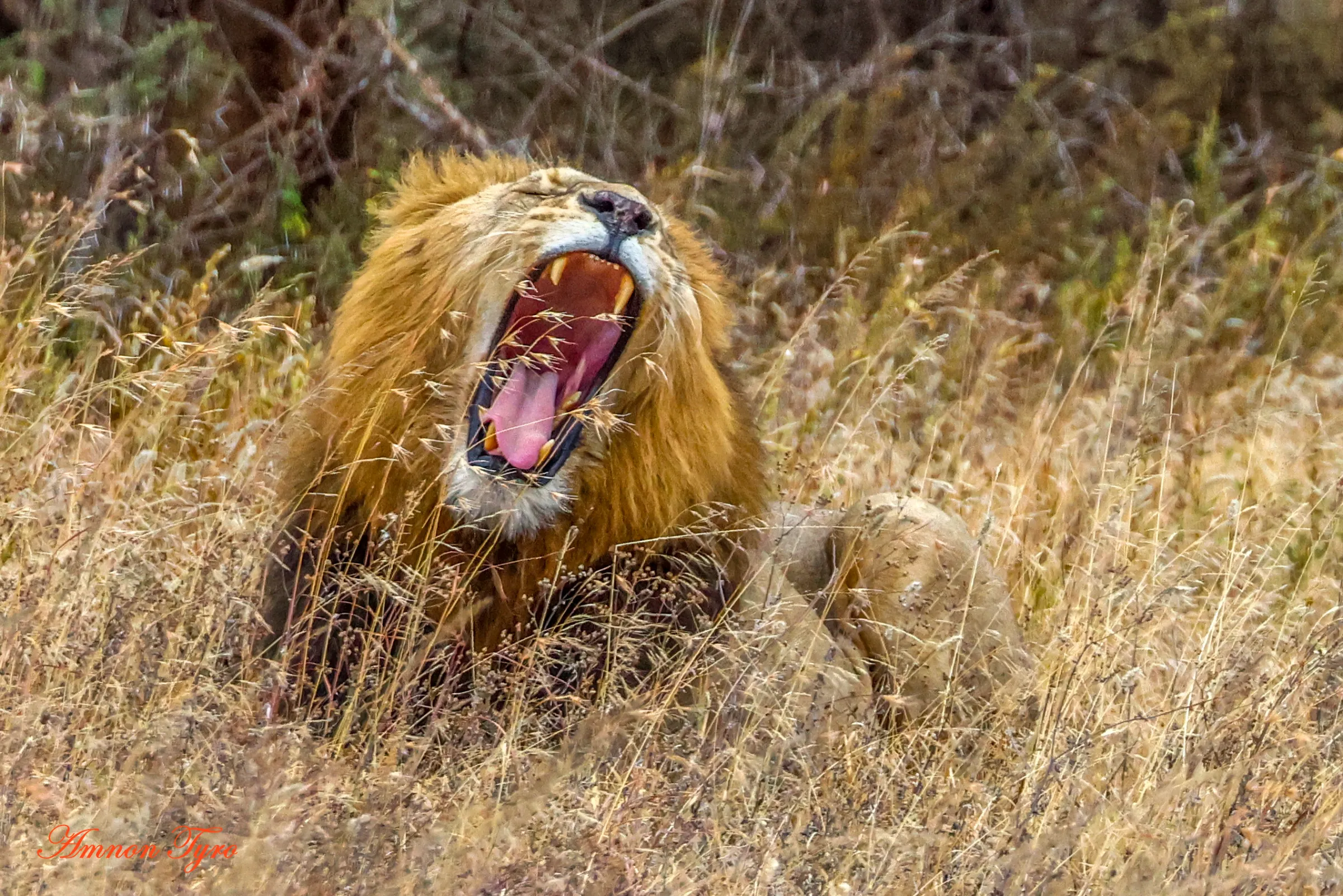
- —Lion — several resident prides, often seen resting near the Lerai forest or Lake Magadi
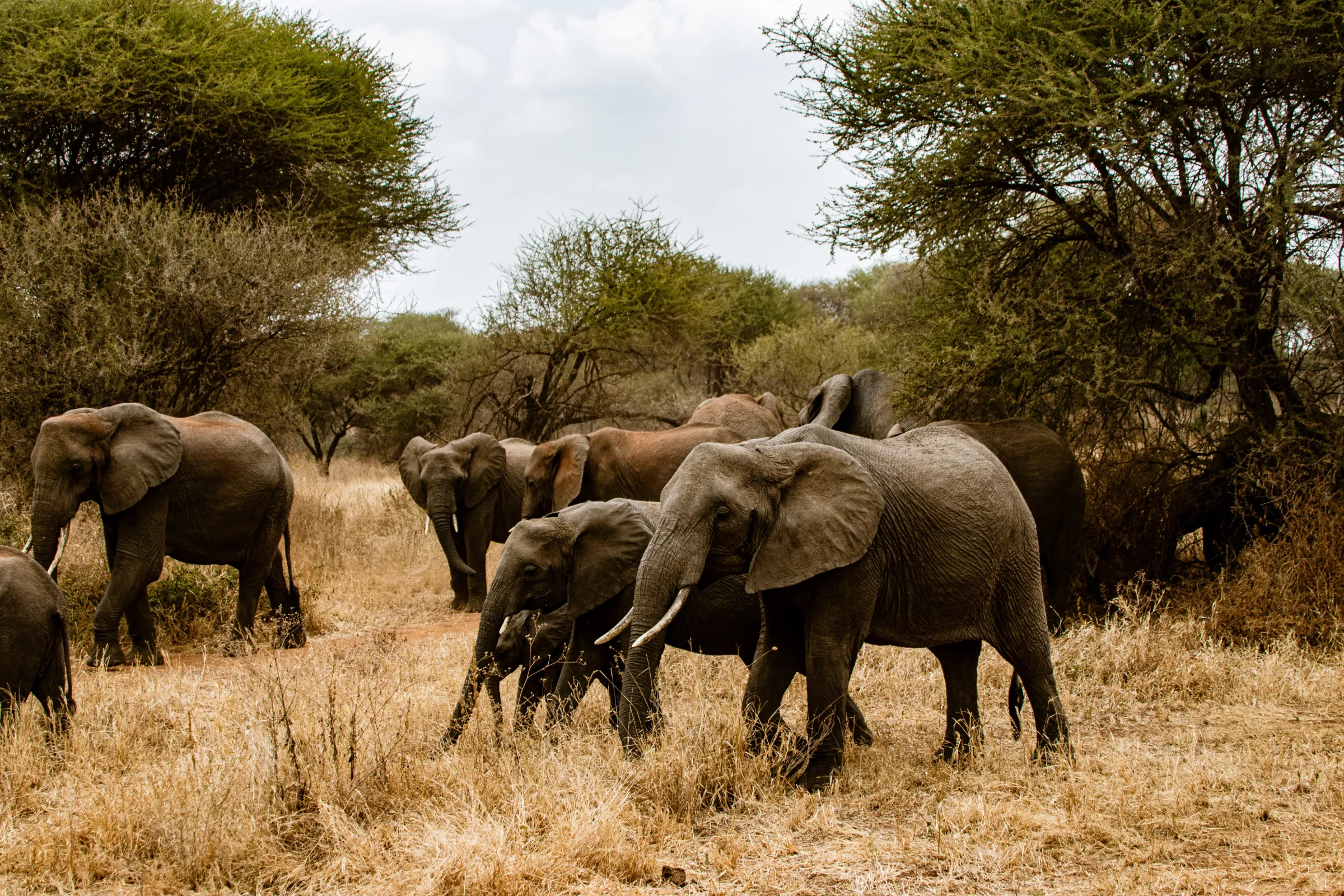
- —Elephant — mostly old bulls; cows and calves tend to stay on the forested crater rim instead
- —Flamingo — often present in large numbers on the soda flats of Lake Magadi
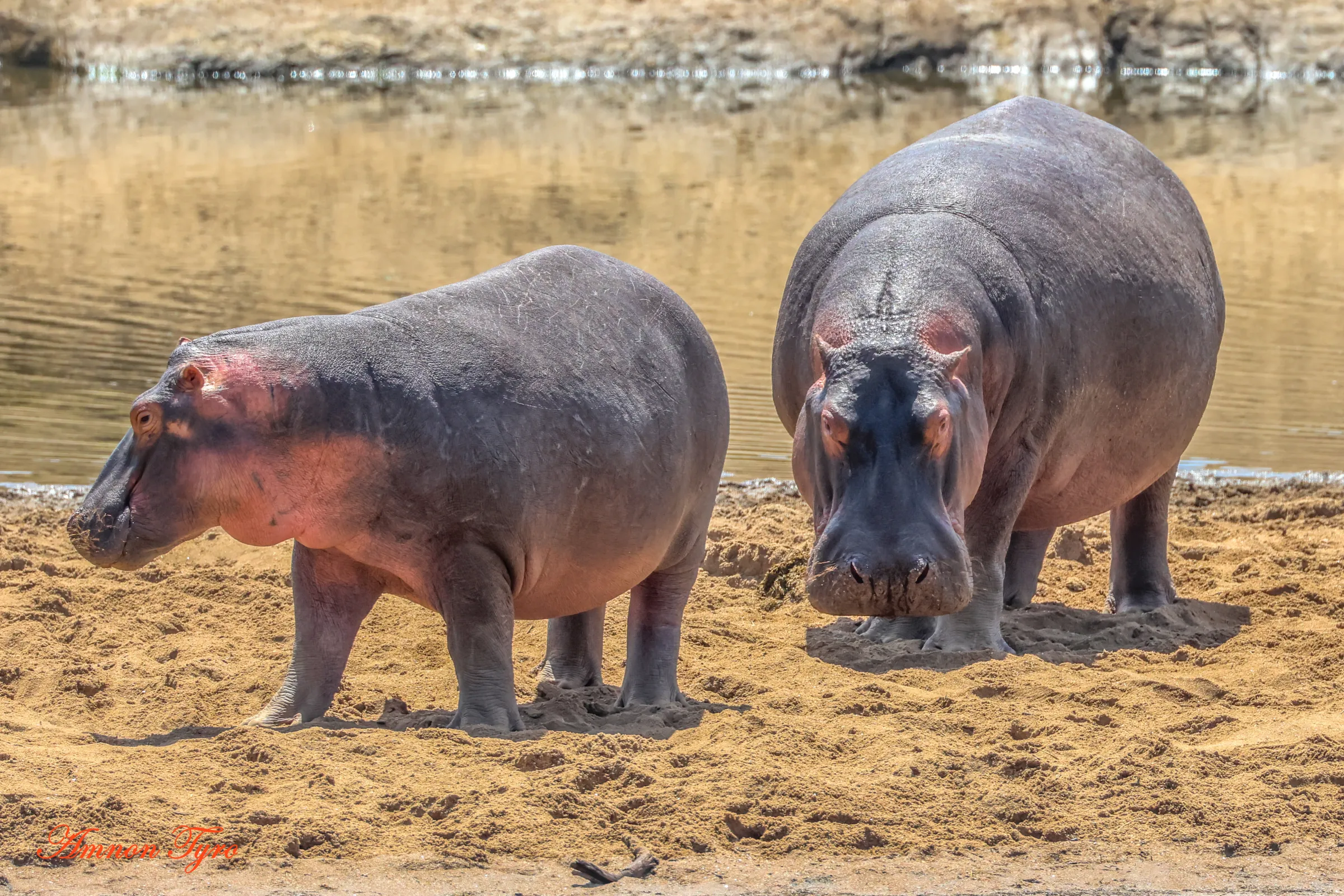
- —Hyena, buffalo, hippo, and healthy plains-game numbers throughout the floor
Signature experiences
Vehicles descend at dawn and spend the day working the floor's swamps, forest and open grassland — the single most concentrated day of game viewing on the northern circuit.
A visit to a Maasai boma on the conservation area's boundary, arranged directly with the community, is a genuine look at pastoralist life rather than a staged stop.
En route between the crater and the Serengeti, Olduvai's small museum covers the site's role in the discovery of early hominid fossils — a worthwhile hour for anyone with an interest in human origins.
Best time to visit
Jan — Dry, clear roads, calving underway nearby at Ndutu.
Feb — Reliable dry weather and dense floor sightings.
Mar — Rains beginning; still workable, greener scenery.
Apr — Wettest month; floor roads can be muddy but far quieter.
May — Rains easing, landscape lush, fewer vehicles on the floor.
Jun — Dry season begins; clear crater-rim views.
Jul — Peak dry season, busiest month on the floor.
Aug — Consistently dry; book vehicle permits early.
Sep — Still dry and busy; excellent visibility.
Oct — Dry season tapering; still very reliable.
Nov — Short rains begin, crowds thin out noticeably.
Dec — Intermittent rain, green rim scenery, good value.
Ngorongoro sits roughly two to three hours' drive from Arusha via Karatu, and is almost always visited by road rather than air — it's the natural stop between Tarangire/Lake Manyara and the Serengeti on a driving safari, and most of our itineraries route it this way rather than as a standalone trip.
One full day on the crater floor covers the highlights, and it's genuinely possible to see the Big Five in that single day. We build in one night on the rim either side of the crater day so you're not rushing the long drive from elsewhere in the same day.
Rim lodges here have some of the most dramatic views of any safari lodge in Tanzania, looking straight down into the caldera — but they're priced accordingly. We also place guests in comfortable options in nearby Karatu at a lower nightly rate, a short drive from the crater gate. See our lodges and camps.
Wakali trips featuring Ngorongoro Crater
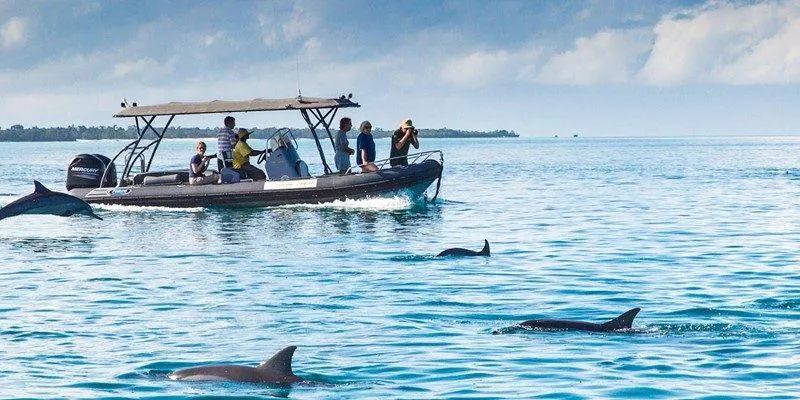
Game drives in the northern parks, then white sand and warm water on the coast.
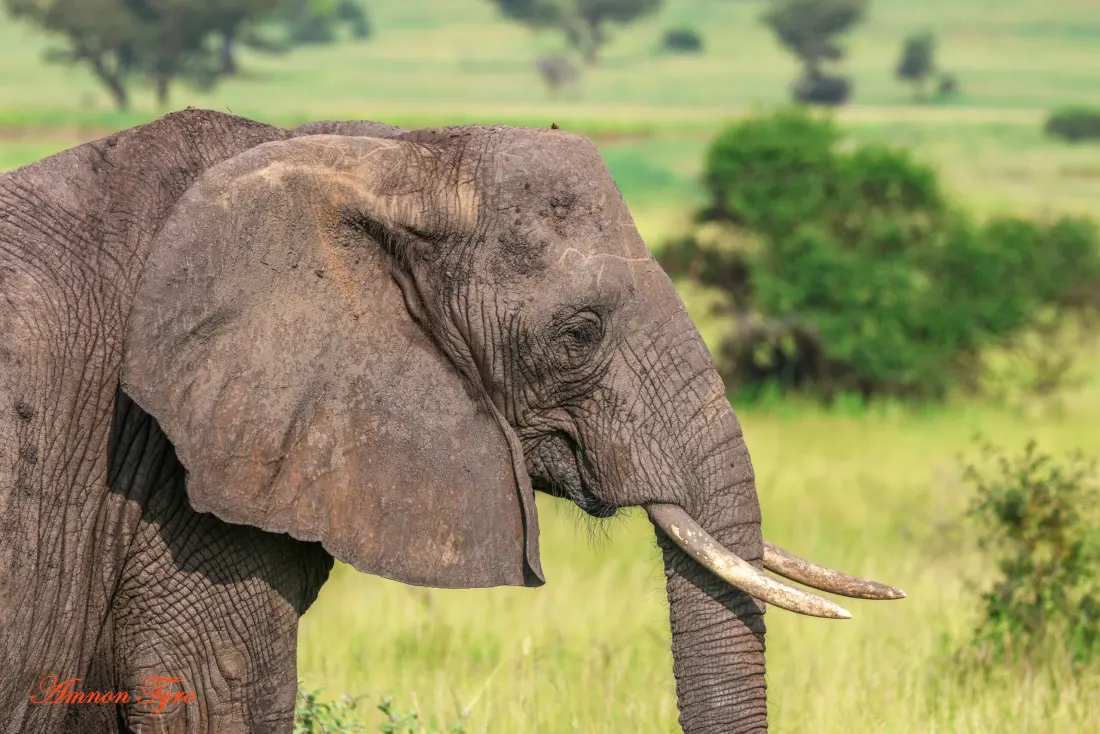
The full northern circuit at an unhurried pace, in high-end lodges and luxury camps.

Luxury lodges, a flight to the coast, and nothing at all to organise in between.
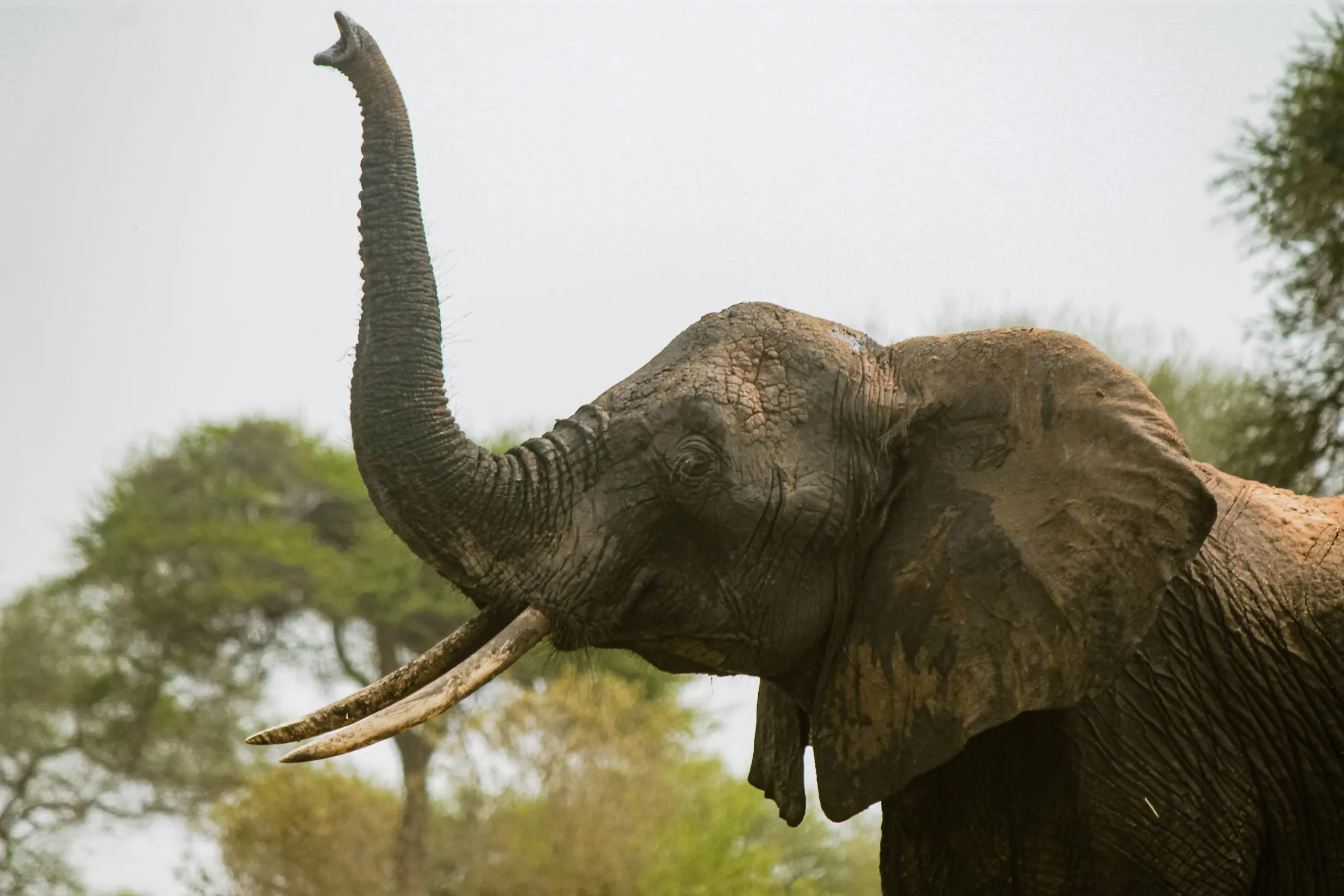
The shortest trip that still feels like a real safari — baobabs, elephants and the crater floor.
Three parks, comfortable lodges, and a full day inside the Ngorongoro Crater.
The classic northern route, with two nights in the Serengeti to make the distance worth it.
Nearby destinations
Travel tips
- —Crater floor vehicle permits are limited and time-stamped — book your safari dates well ahead in peak season
- —It gets genuinely cold on the rim at night and in the early morning, even though the crater floor is warm
- —Only a limited number of vehicles are allowed on the crater floor at once — an early descent avoids the busiest hours
- —The crater is a full, long day — pace the rest of your itinerary around an early start and a late return
Frequently asked questions
No — it's part of the Ngorongoro Conservation Area, a different category of protected land where Maasai communities retain grazing rights alongside wildlife conservation. National parks in Tanzania exclude human habitation; the conservation area doesn't.
Yes, for the highlights — the floor is compact enough that a full day's game drive genuinely can produce Big Five sightings. Photographers or anyone wanting a more relaxed pace sometimes prefer two descents on consecutive mornings instead.
It's the busiest single game-viewing area on the northern circuit, particularly July–October and around a popular sighting. An early descent, before the majority of vehicles arrive, makes a real difference.
Related reading
Tell us your dates and interests and we'll write back with a real itinerary, priced and ready to change.