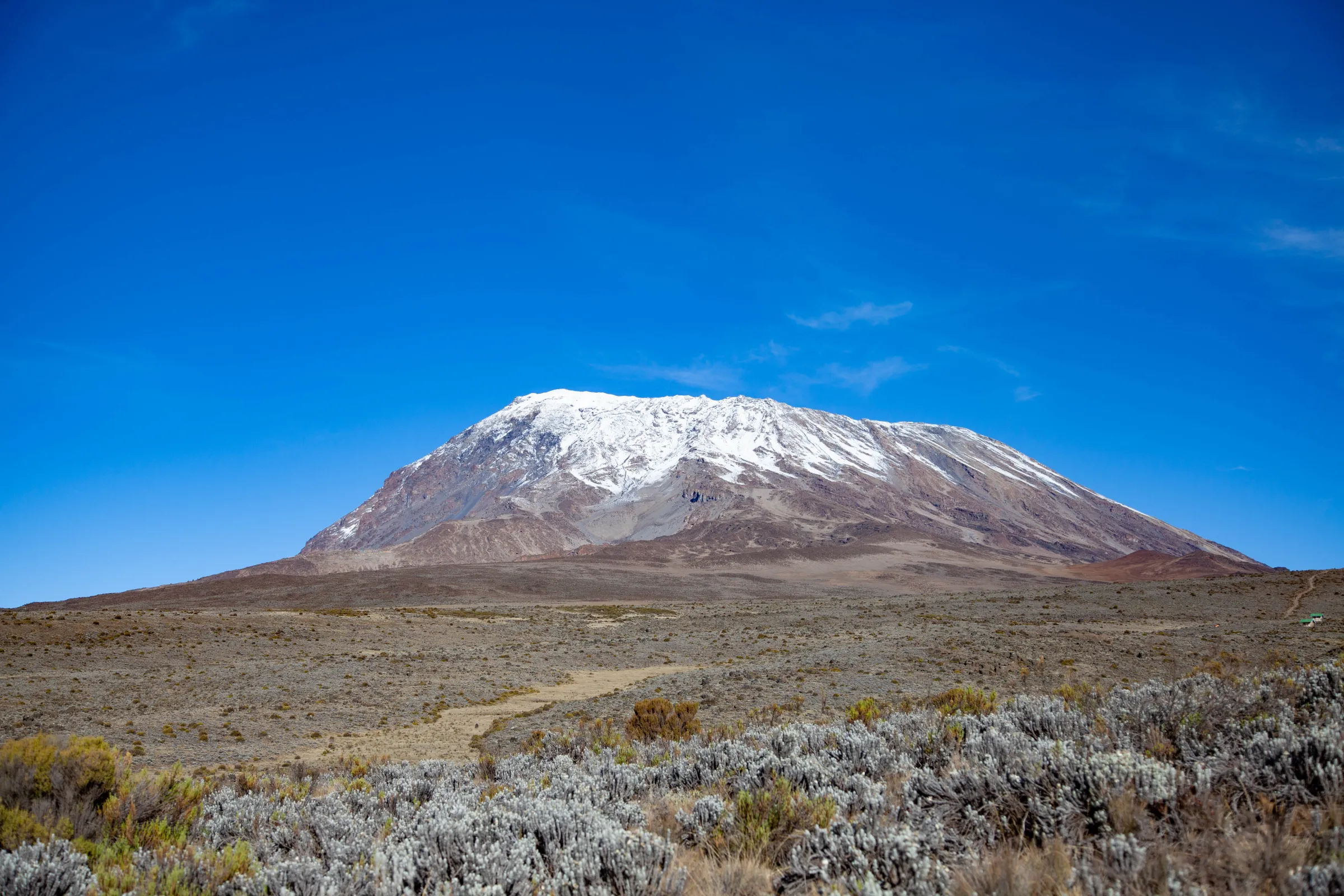
Every day on Kilimanjaro before summit night is a hike — tiring, high-altitude, but recognisably a long walk. Summit night is a different kind of experience entirely, and going in with an accurate picture of it matters more than almost any gear choice.
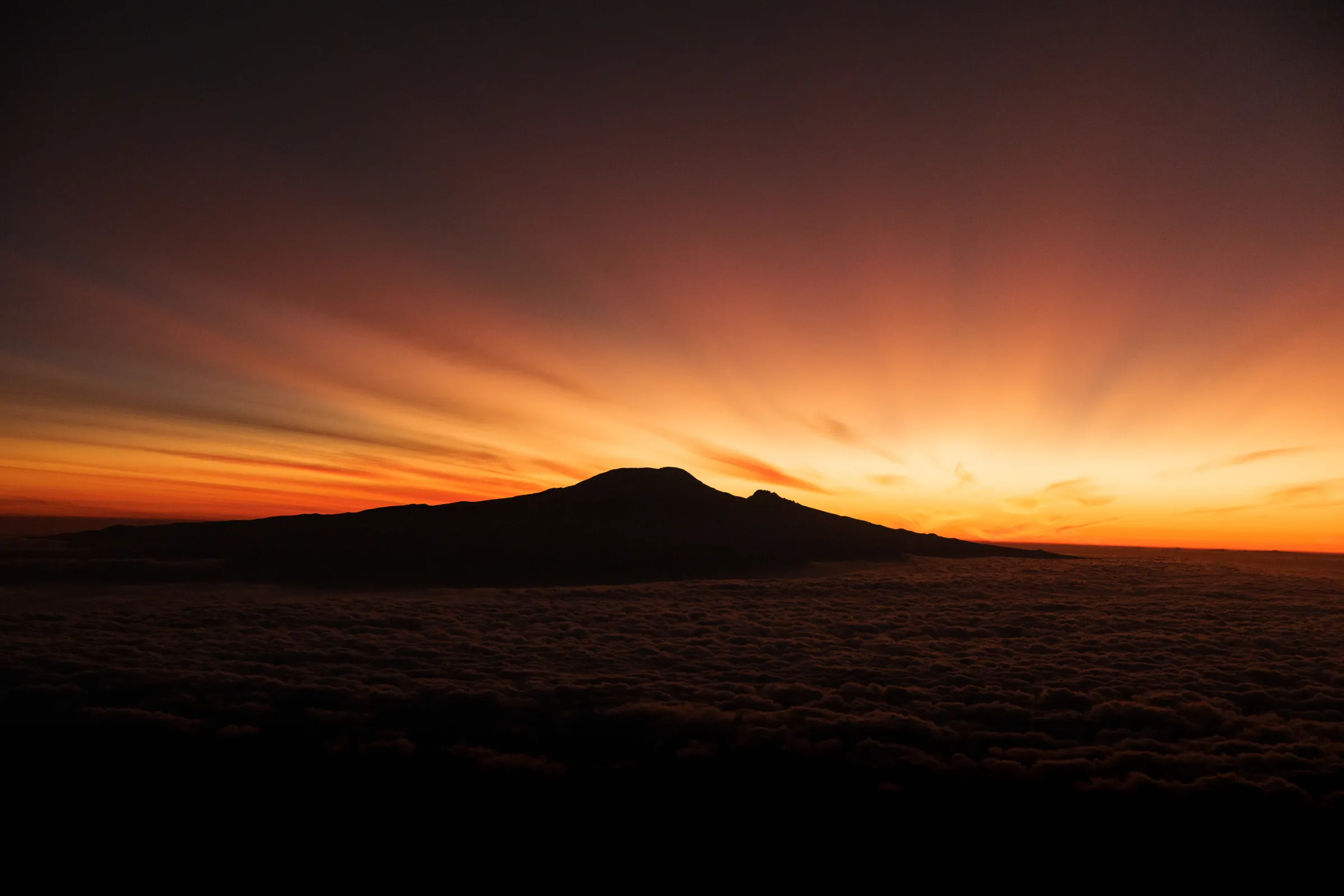
You'll typically leave high camp (Barafu or Kibo, depending on route) around 11pm to midnight, climbing through full darkness by headlamp for six to eight hours to reach the crater rim around sunrise. The reason for the midnight start isn't tradition — it's practical: the scree slopes below the summit are more stable when frozen overnight, and timing the final push for sunrise avoids descending the exposed upper mountain in the afternoon heat and cloud that build most days.
The defining feature of the night isn't the darkness, it's the pace: above around 5,000 metres, your guide will slow the group to what feels like an absurdly small shuffle-step, deliberately, because that pace is what altitude actually allows a body to sustain without forcing rest breaks that cost more time and energy than they save. Climbers who arrive expecting to hike at their normal speed and find themselves moving at a crawl often mistake the pace itself for a sign something is wrong — it isn't; it's the plan working.
Cold is the other defining feature. Summit-morning temperatures commonly sit at -15°C to -20°C with wind chill, and the psychological low point for most climbers isn't a specific technical difficulty, it's Stella Point — the crater rim, still an hour or more from Uhuru Peak itself — arriving in the dark or grey pre-dawn light, cold and exhausted, with the actual summit still visibly, disheartingly far along the rim.
What gets people through it, more than fitness, is usually the guide team: a good crew reads fatigue and altitude symptoms constantly through the night, adjusts pace, offers food and warm drinks at set intervals, and — candidly — provides a level of encouragement that borders on relentless. Every Wakali summit-night crew carries a pulse oximeter and checks climbers periodically through the night specifically because the earliest signs of altitude trouble are much easier to manage at 2am on the mountain than an hour later.
The summit itself, when it arrives, tends to be short — ten to fifteen minutes for photos at the sign before the guide starts the group moving again, because staying at 5,895 metres any longer than necessary is its own risk. Most climbers describe the descent back to high camp, not the summit moment, as the point they finally register what they've actually done.
Tell us your dates and interests and a specialist in our Arusha office will send back a real, priced trip — not a brochure.
Request a proposal