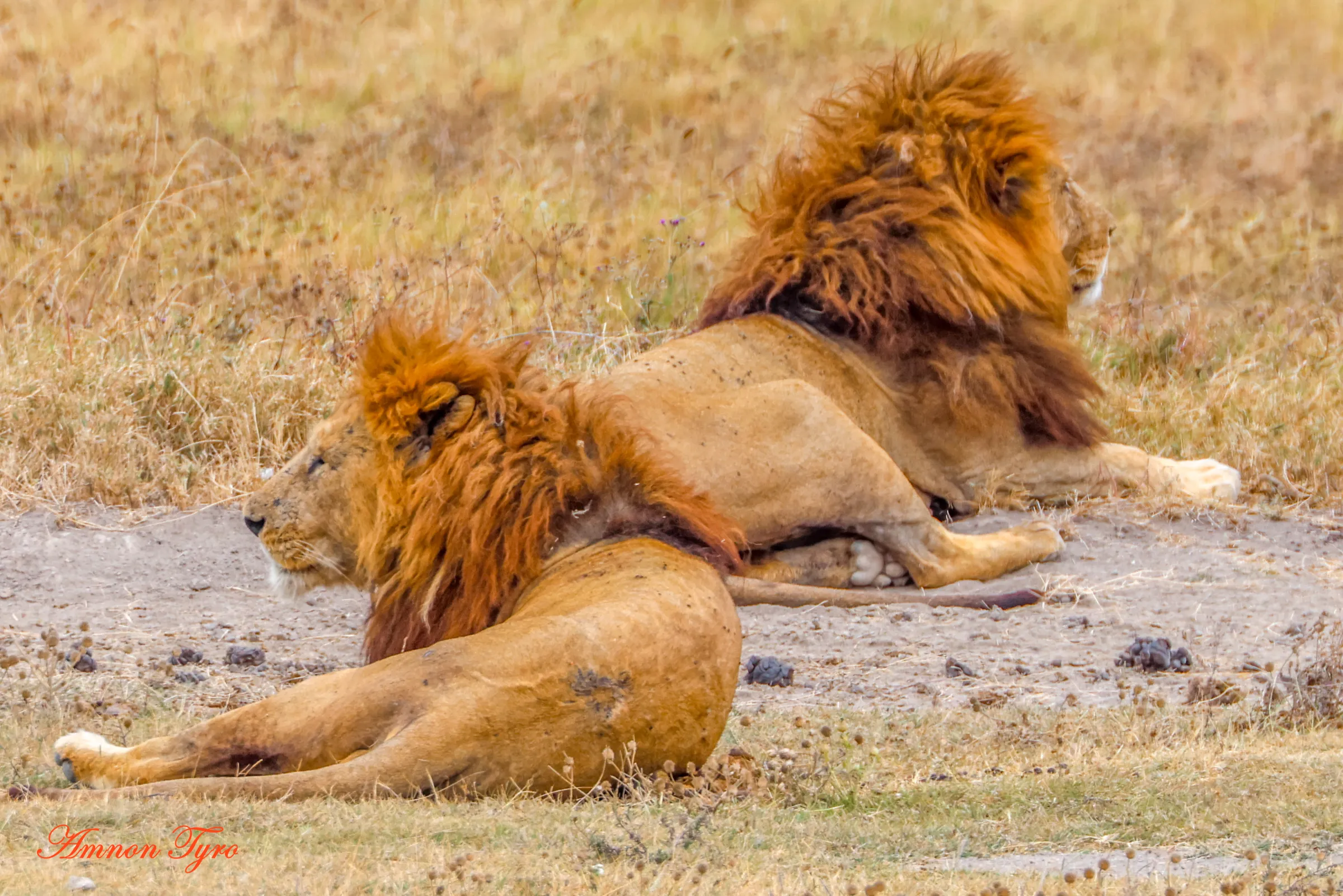
The Ngorongoro Crater is a collapsed volcanic caldera roughly 20 kilometres across, with its own resident population of around 25,000 large animals that rarely leave the crater floor — including one of the highest densities of lion in Africa, and some of the last crater-based black rhino in the country. Because the wildlife is effectively contained, it delivers a concentration of sightings that the open plains of the Serengeti simply can't match in a single day.
A typical day starts before sunrise: vehicles descend the crater rim road around 6:30–7am to reach the floor as the light comes up and before the day's other vehicles arrive. Mornings on the floor are when lion prides are most active and the light on the crater walls is best for photographs. By late morning the crater fills with vehicles from every lodge on the rim, and by early afternoon it can feel considerably busier than the Serengeti ever does.
The trade-off is real: a single day in the crater means climbing back up the rim road by mid-afternoon, and you'll share the floor with more vehicles per square kilometre than almost anywhere else we operate. For travellers with limited time — a stopover between the Serengeti and Tarangire, say, or a short add-on to a Kilimanjaro climb — a single crater day still reliably delivers lion, elephant, hippo pools, flamingos on Lake Magadi, and a real chance at rhino, all in one descent.
For travellers who can spare it, we usually recommend two nights on the rim with one full day inside: an early start beats the worst of the crowds, and having the second morning free means you're not racing the clock if a sighting is worth lingering over. Either way, the crater rewards an early departure more than almost any other park we run trips to — it's the one place where being on the road by 6:30am genuinely changes what you see.
Tell us your dates and interests and a specialist in our Arusha office will send back a real, priced trip — not a brochure.
Request a proposal