Most safari packing lists are generic enough to apply to any hot country. This one is specific to what actually matters on a Tanzania trip, based on what our guides see guests wish they'd packed — and left at home.
Clothing: neutral colours (khaki, olive, brown, grey) rather than bright white or black, which stand out to wildlife and, in the case of dark blue and black specifically, attract tsetse flies in bush areas. Layers matter more than any single garment — early-morning game drives in an open vehicle are genuinely cold even in the dry season, often 10°C or below at 6am, warming to 25–30°C by mid-morning. A warm layer you can remove and stow easily beats one heavy jacket every time.
For Kilimanjaro specifically, layering becomes critical rather than just comfortable — summit-morning temperatures commonly sit at -15°C to -20°C with wind chill, which demands a proper insulated layer system, not just a warm jacket. For a lodge or camping safari without a mountain component, a fleece or light down jacket for mornings, a rain jacket for the shoulder seasons, and comfortable closed shoes (not full hiking boots unless you're also walking) cover almost everyone.
Documents and health: a passport valid six months beyond your travel dates, your yellow fever certificate if arriving from an endemic country (border officials do check this on entry, and it isn't optional), any prescription medication in original packaging with a doctor's note for controlled substances, and a printed or downloaded copy of your travel insurance policy. Anti-malarials are strongly recommended for the parks and start before most people think to begin them, so check the timing with your doctor well before departure.
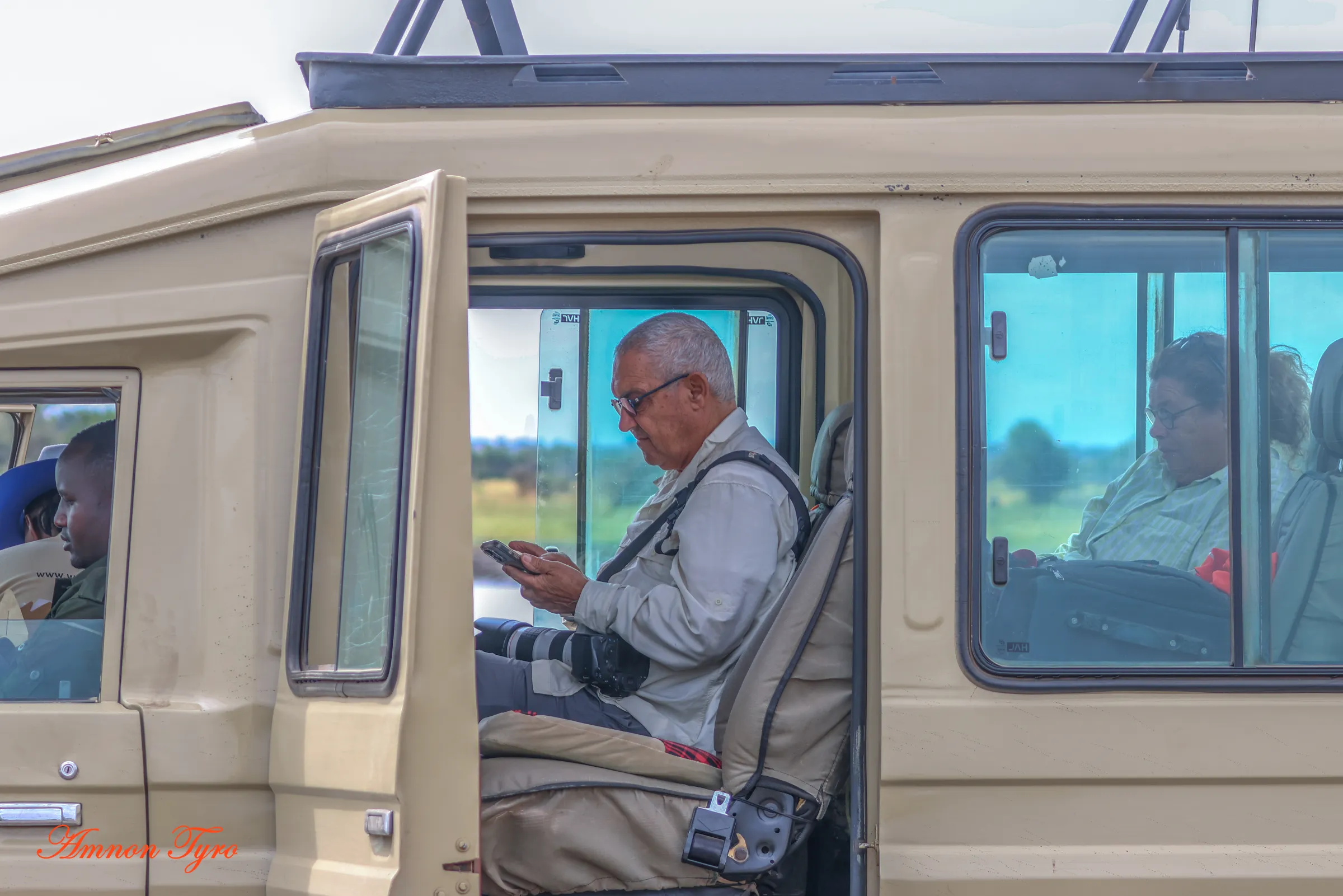
Gear that's genuinely worth the suitcase space: binoculars (shared pairs never satisfy two people trying to watch the same distant leopard), a lens with real reach if photography matters to you (200mm minimum, longer is better — vehicles can't always get close), a dry bag or large ziplock for camera gear on dusty roads, a reusable water bottle, and a basic headlamp for camps without reliable lighting after dark. A power bank is worth packing even at lodges with electricity, since sockets can be scarce and outlets sometimes shared across a whole tent.
What you can safely leave at home: excessive quantities of sunscreen and insect repellent (available in Arusha, though bring your preferred brand if you're particular), a full medical kit beyond the basics (most camps and lodges have first-aid resources, and your guide carries one too), and formal clothing — nowhere on a safari or Zanzibar itinerary genuinely requires it, whatever a generic packing list might suggest.
Tell us your dates and interests and a specialist in our Arusha office will send back a real, priced trip — not a brochure.
Request a proposal